
Call: 08045477786
 Send Inquiry
 Send Inquiry
Nitric Acid HNO3
MOQ : 100 Kilograms, ,
Nitric Acid HNO3 Specification
- Refractive Rate
- 1.397
- Molecular Formula
- HNO3
- Smell
- Pungent, acrid odor
- Structural Formula
- NO2OH
- Boiling point
- 83C
- Taste
- Acrid (not for consumption)
- Molecular Weight
- 63.01 g/mol
- HS Code
- 28080000
- Classification
- Organic Acids
- Inorganic Acid Types
- Nitric Acid
- Grade
- Technical Grade, Analytical Grade
- Purity
- High
- Application
- Explosives, Fertilizer, Metal Processing, Etching, Laboratory Reagent
- Appearance
- Colorless to pale yellow liquid
- CAS No
- 7697-37-2
- EINECS No
- 231-714-2
- Other Names
- Aqua fortis, Spirit of Niter
- Usage
- Industrial
- Melting Point
- -42C
- Density
- 1.51 Gram per cubic centimeter(g/cm3)
- Solubility
- Miscible with water
- Raw Material
- Ammonia, Air
Nitric Acid HNO3 Trade Information
- Minimum Order Quantity
- 100 Kilograms, ,
- Supply Ability
- 1000 Kilograms, , Per Day
- Delivery Time
- 7 Days
- Main Domestic Market
- Rajasthan
About Nitric Acid HNO3
Leveraging on our rich industry experience, we are offering our clients the finest qualityNitric Acid HNO3. It is regarded as highly corrosive material that is colorless in nature. Depending on the property, this range is widely used as primary agent that is meant for nitration caused by addition of nitro group. To comply with the safety norms of the industry, our vendors use premium grade chemical compounds to formulate the acid. For easy and safe transportation we pack theNitric Acid HNO3using quality approved packaging materials.
Robust Storage and Safety Measures
Proper storage of nitric acid is essential to maintain its stability and preserve its shelf life. It should be kept in a cool, well-ventilated area away from incompatible materials. Suitable packaging includes HDPE drums or glass bottles to prevent decomposition and leakage. Due diligence ensures safe handling and extends product usability.
Versatile Industrial Applications
Nitric acid finds broad use in industries such as explosives manufacturing, fertilizer production, metal treatment, etching processes, and scientific laboratories. Its powerful oxidizing capacity and high purity make it a reliable choice for various technical and analytical applications. Sourcing from certified suppliers guarantees consistent quality.
FAQs of Nitric Acid HNO3:
Q: How should nitric acid be stored for optimal safety and stability?
A: Nitric acid should be stored in a cool, ventilated place, sealed tightly in HDPE drums or glass bottles. It must remain away from heat, light, and incompatible substances to prevent decomposition and ensure safe usage for up to 12 months.Q: What precautions must be taken during handling and transport of nitric acid?
A: Personal protective equipment, such as acid-resistant gloves and eye protection, should always be worn. Since nitric acid is classified as both a corrosive (Class 8) and oxidizer (Class 5.1) under transport regulations, it must be handled and shipped per UN Number 2031 guidelines, ensuring proper containment and hazard labeling.Q: When should the shelf life of nitric acid be assessed or renewed?
A: Nitric acid maintains a shelf life of 12 months if stored under recommended conditions. It should be inspected periodically for signs of decomposition, especially if exposed to light or heat, and replaced if any changes in appearance or effectiveness are detected.Q: Where is nitric acid commonly used in industry?
A: Nitric acid is essential in manufacturing explosives, producing fertilizers, metal processing, etching metals, and as a laboratory reagent. Its high purity and reactive nature support a wide range of technical and scientific applications across multiple sectors.Q: What benefits does high purity nitric acid offer in laboratory and industrial use?
A: High purity nitric acid ensures predictable chemical reactions, minimal contamination, and reliable results in both industrial and laboratory processes. This quality standard is crucial for analytical procedures, product consistency, and safety in sensitive applications.Q: How is nitric acid typically packaged for commercial distribution in India?
A: Nitric acid is supplied in secure HDPE drums, glass bottles, and sometimes tanker trucks to ensure safe transport and storage. Packaging complies with domestic and international regulations for corrosive and oxidizing substances.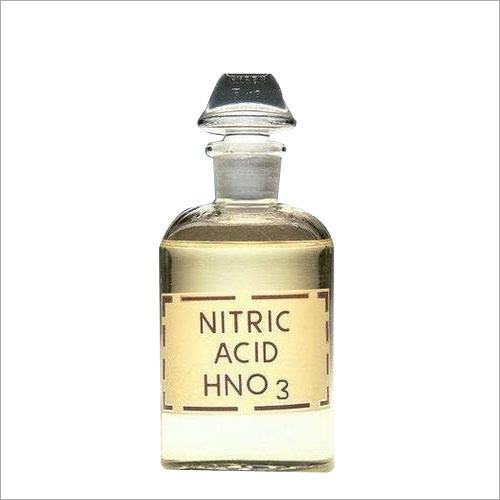
Tell us about your requirement

Price:
Quantity
Select Unit
- 50
- 100
- 200
- 250
- 500
- 1000+
Additional detail
Mobile number
Email

More Products in Nitric Acid Category
Concentrated Nitric Acid
Price 48 INR / Liter
Minimum Order Quantity : 100 Liters
Grade : Industrial Grade
Purity : High
Taste : Corrosive (not to be tasted)
Usage : Industrial
60 to 80 Percentage Nitric Acid
Price 30.00 INR / Kilograms
Minimum Order Quantity : 50 Kilograms, ,
Grade : Industrial Grade
Purity : High
Taste : Salty
Usage : Industrial
95 % Nitric Acid
Price 48 INR / Liter
Minimum Order Quantity : 100 Liters
Grade : Industrial Grade
Purity : High
Taste : Salty

Contact Details
SHARMA CHEMICALS
GST : 08DMBPK6885H1ZL
- Plot No:- E-210, Road No.9-E, VKIA,Jaipur - 302023, Rajasthan, India
- Phone :08045477786

 Send Inquiry
Developed and Managed by Infocom Network Private Limited.
